Forced migration through the Darién Gap constitutes a high-vulnerability context for families and, particularly, for the children embarking on these journeys.
Migrant families may face multiple factors driving them to leave their places of origin, including economic hardship, food insecurity, political instability, violence, crime, lack of job opportunities, and other social and environmental challenges.
Children traversing these routes face double adversity. On one hand, they are exposed to harsh physical and environmental conditions; on the other, they experience abrupt changes in their support networks, routines, educational spaces, and family environment.
These experiences can impact their emotional well-being and increase their exposure to violence, exploitation, and other rights violations. At the same time, families may struggle to access health, education, and social protection services.
In this context, strengthening the capacities of mothers, fathers, and caregivers is crucial. Parenting practices based on communication, sensitivity, non-violent discipline, and emotional support can help create safer and more protective environments for children.
However, addressing these topics in humanitarian contexts poses significant challenges. Families are focused on meeting immediate needs, are constantly on the move, and may have limited access to the internet and technology devices. Therefore, it was necessary to develop a strategy that used accessible, reliable, and community-centered channels.
Phase 1. Needs Identification and Community Dialogue
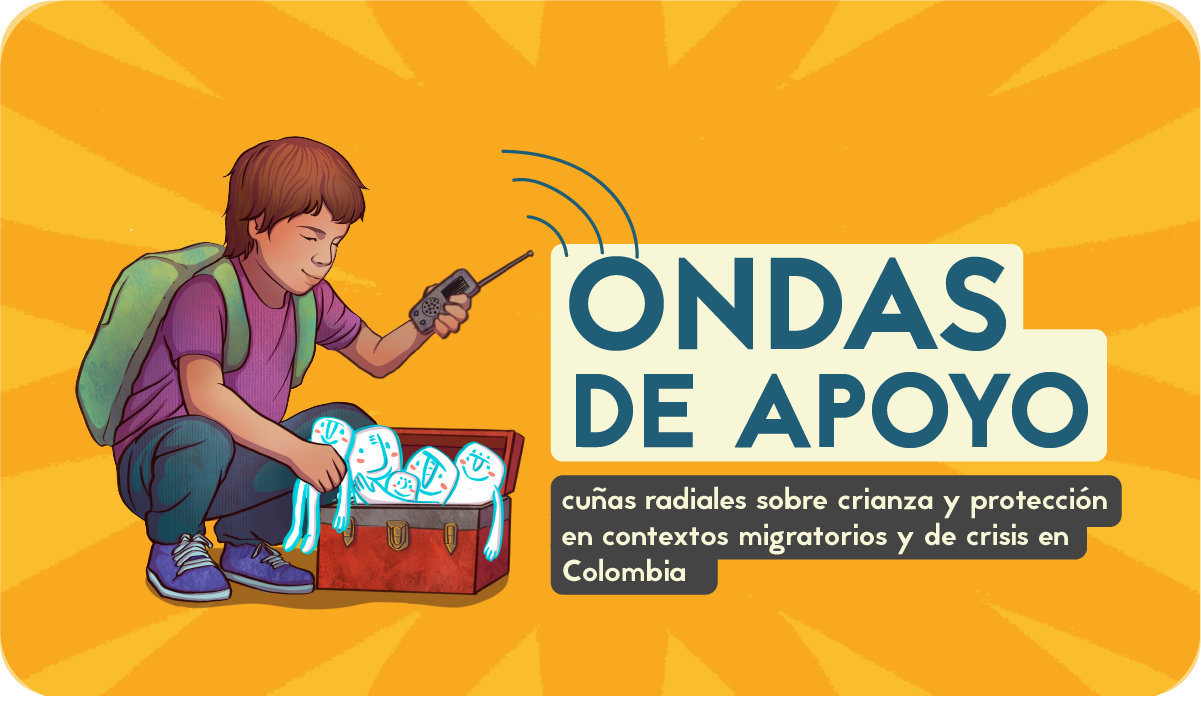
The development of Ondas de Apoyo (Support Waves) originated from identifying the needs of migrant families and the challenges they faced in accessing information and support.
Work was carried out with partner organizations and community stakeholders to understand the characteristics of the territories, migratory dynamics, and the needs of the families.
One of the fundamental components was the community focus group, through which recommendations were gathered regarding language, voices, and features that the messages should have to ensure they were understandable and relatable to the target audience.
Phase 2. Content Design
Based on dialogues with the community and positive parenting approaches used by the Foundation, seven topics were prioritized for the radio spots:
Self-care.
Emotional connection.
Routines.
Preparing for the journey.
Safety and prevention.
Empowerment and resilience.
Supporting and comforting in times of loss.
The content aimed to be concise, clear, and applicable to concrete situations in families’ daily lives.
The developed messages included recommendations for managing stress during the journey, talking to children about the uncertainties of travel, setting boundaries without violence, and maintaining minimal routines that foster emotional stability.
Phase 3. Scriptwriting and Production of Radio Spots
Once the messages were defined, scripts were developed for the eight radio spots.
The final report documents a process that included:
Community focus group.
Definition and refinement of content.
Scriptwriting for the eight spots.
Production of the eight spots.
Media plan design.
Scouting radio stations.
Execution of the media plan.
Collection of certificates.
Information systematization.
Preparation of the final report.
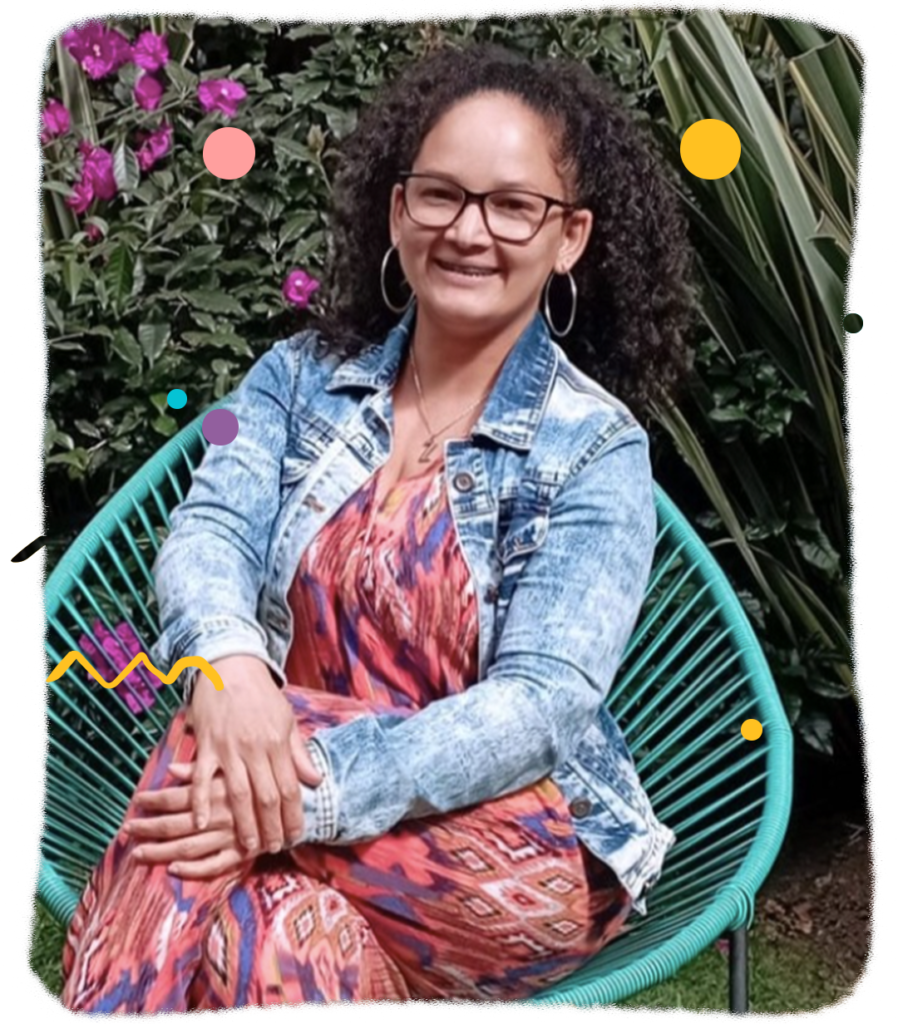
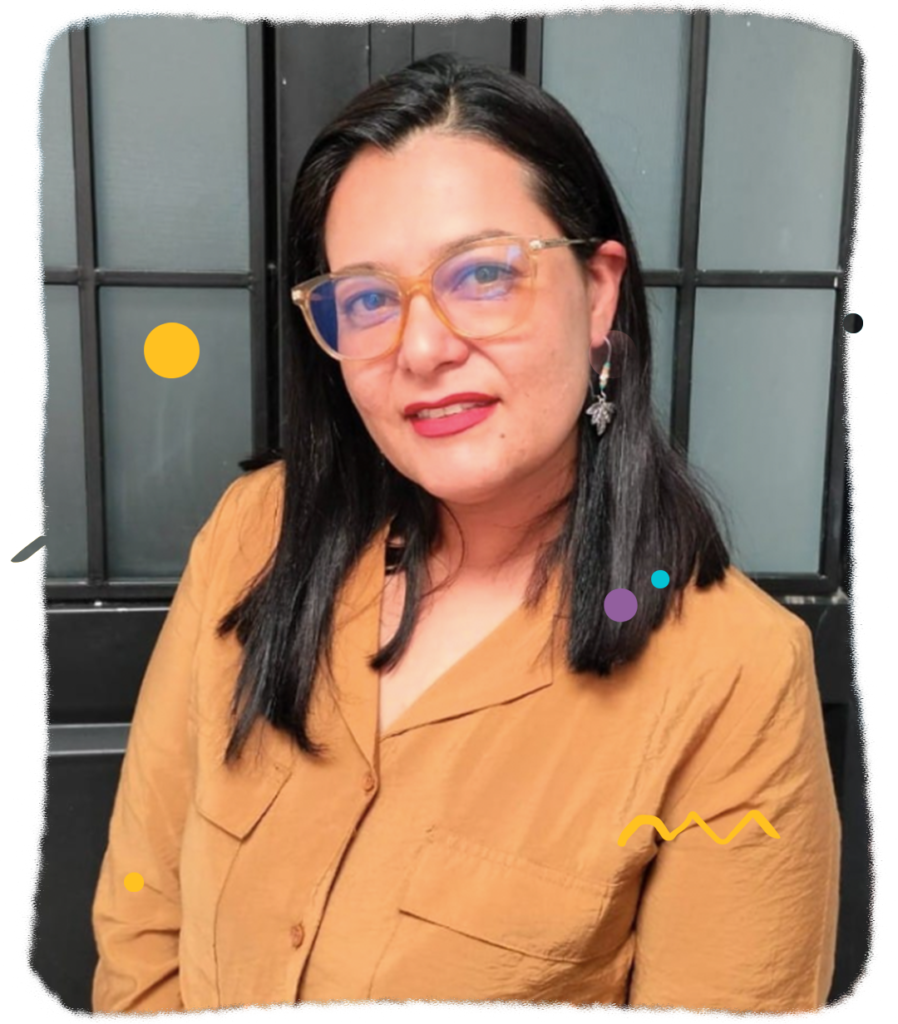
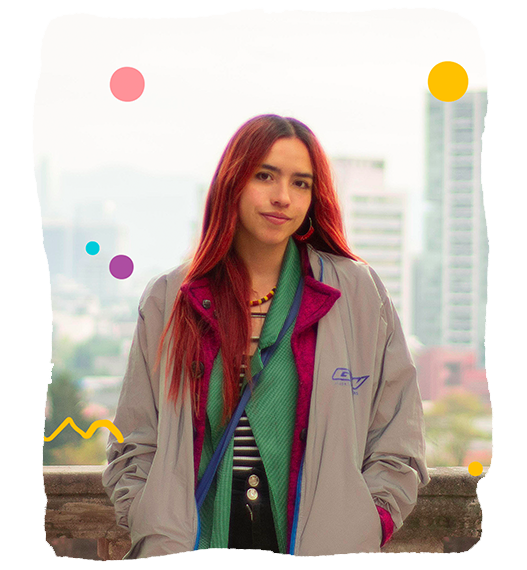
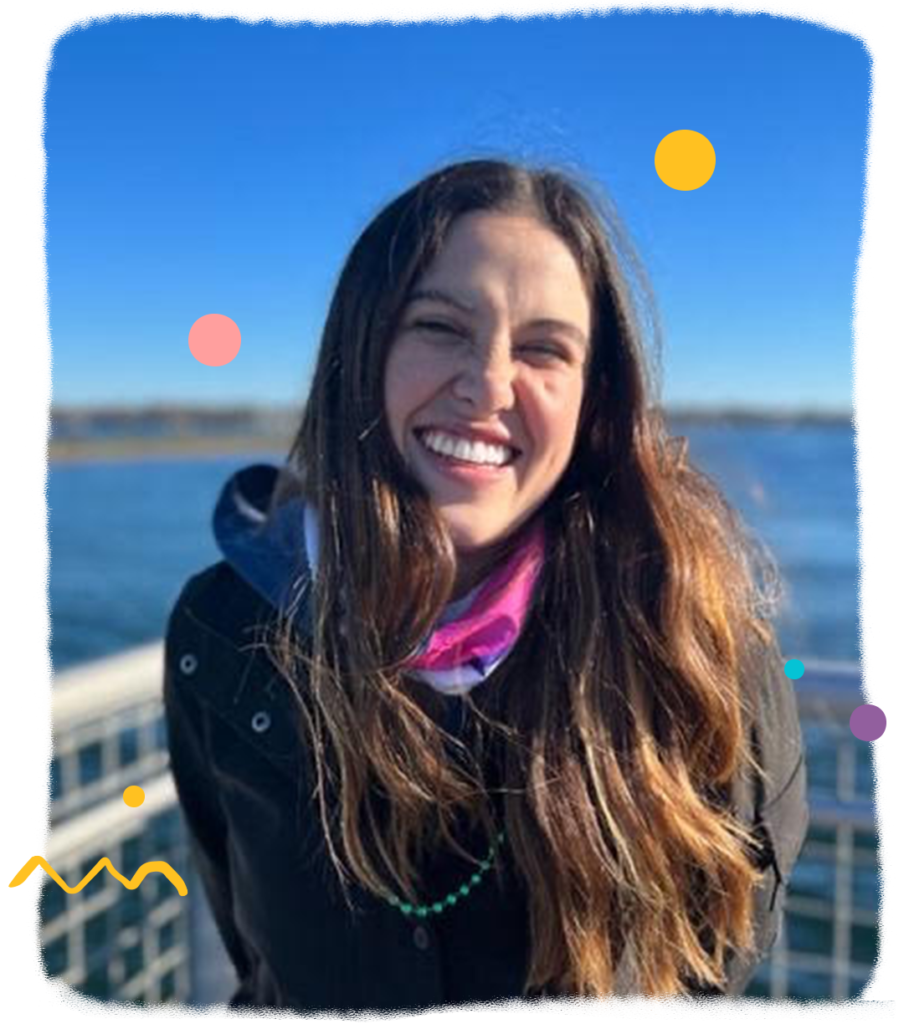
Four Venezuelan individuals—two adults and two young girls—participated as voice actors during production. Their involvement allowed for adjustments to certain messages to make them more relatable and understandable for the target population.
During post-production, some texts were trimmed or adjusted to meet the required broadcast duration for radio stations. Certain spots were adapted to an approximate duration of 40 seconds.
Phase 4. Media Plan
To broadcast the spots, 19 radio stations across three departments were contacted. Following the selection process, 10 radio stations were chosen to execute the media plan.
Each radio station was requested to provide various mechanisms to monitor implementation, including:
Initial partial report.
Final report.
Potential audience certificate.
Broadcast certificate.
Number of plays.
Designated time for each spot.
Verification methods for broadcasts.
These mechanisms ensured that the spots were transmitted according to the terms established in the media plan.
Phase 5. Implementation and Results
During the execution of the media plan, 859 plays of the spots were conducted.
The potential reach certified by the radio stations was 2,631,278 people.
The calculation of reach took into account the specificities of each medium. Criteria used included:
These data made it possible to establish an estimate of the number of people who could potentially receive the messages, although they do not confirm that all those individuals actually listened to the spots.
Phase 6. Content Adaptation in New Crisis Contexts
The lessons learned from Ondas de Apoyo also enabled the adaptation of its content to new emergency scenarios.
In response to the humanitarian crisis related to the armed conflict and forced displacement in Catatumbo, many people had to move toward Cúcuta and other nearby areas in search of shelter and humanitarian assistance.
Faced with this situation, the initiative revisited its approach of working with and for the community, establishing dialogue with leaders in territories such as Tibú, El Tarra, Ocaña, and Cúcuta, among others.
These meetings identified WhatsApp as one of the most accessible and effective communication channels for the population.
Based on this insight, the content originally created for radio was adapted into audiovisual and graphic formats.
The following were produced:
These materials summarized parenting recommendations in displacement contexts and provided immediate, accessible guidance to families.
The final report states that during execution, 859 plays of the spots were carried out, with a total potential reach of 2,631,278 people, calculated using the measurement methodologies of each radio station.
It is important to note that this figure corresponds to potential reach and not necessarily the exact number of individuals who heard the spots. Community radio stations do not have the same audience measurement studies as major networks, so they estimate their reach using variables such as antenna power, signal coverage, frequency, repeater antennas, and potentially covered population.
Reach of Primary Media Outlets
The report records, among others, the following potential reaches:
| Medium | Potential Reach |
| Anorí Estéreo | 29,000 |
| Asoredes / Radio Litoral, Río Stereo Mutatá, and La Voz Gabrielista | 82,500 |
| Antena Stereo | 200,000 |
| La Esquina Radio | 2,078,027 |
| Qué Buena | 52,725 |
| Riosucio Stereo | 25,000 |
| La Voz de Antioquia | 145,000 |
| Puerto Stereo | 19,026 |
La Esquina Radio had the highest potential reach recorded, with 2,078,027 people. Additionally, this outlet conducted a digital measurement that identified 1,787 individuals who listened to the spots via its digital radio stream, representing the only case in the plan with an effective and verifiable audience measurement.
The Community
One of the central elements of the project was community participation in the content creation process.
Prior to producing the spots, a community focus group was conducted to understand what types of voices, language, and communication styles would be clearest and most relatable to the recipients of the messages.
This exercise highlighted the importance of using voices primarily from Venezuelan individuals. During production, four Venezuelan people—two adults and two young girls—provided the voiceover for the spots.
This process ensured that content was adjusted not only from a technical perspective, but also through the lived experience and language of the people it was designed to reach.