Why was it important to develop this project? Data or references help contextualize the problem.
Apapáchar was born, and matters, in Colombia because of a combination of legal, social, and evidence-based reasons.
A legal framework that demanded a response
More than 1.7 million children from birth to age five are victims of physical punishment or psychological aggression, particularly in vulnerable households and regions affected by armed conflict. In 2021, Colombia passed Law 2089, which explicitly prohibits any form of physical punishment or cruel, humiliating, or degrading treatment as a method of correction toward children and adolescents. This law is accompanied by the National Strategy for the Prevention of Physical Punishment, which requires the country to strengthen or create programs that promote cultural change around these practices. Apapáchar responds directly to that mandate.
The absence of men in parenting
The program also grew out of evidence that actively involving fathers and male caregivers positively transforms family dynamics: it strengthens protective factors for children, positively impacts the bond between caregivers, and can improve men’s mental health.
Evidence-based
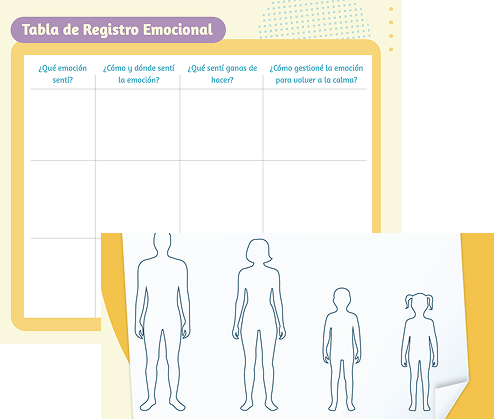
Science shows that practical skills are needed to change attitudes and behaviors. For this reason, the program was designed with a pedagogical strategy grounded in neuroscience, focused on self-regulation, communication, conflict resolution, and loving, violence-free parenting
First, the initial idea (2024): ICBF convened a dialogue process that gave rise to Apapáchar, a program combining digital sessions (80%) and in-person sessions (20%) to support families toward more loving, violence-free parenting.
Second, the design phase (January to May 2025): during the first half of 2025, the program was designed by bringing together the best of two already-tested approaches: Programa Paternar, which worked with all family members through WhatsApp groups, and the Estrategia Apapacho, focused on child development and violence prevention.
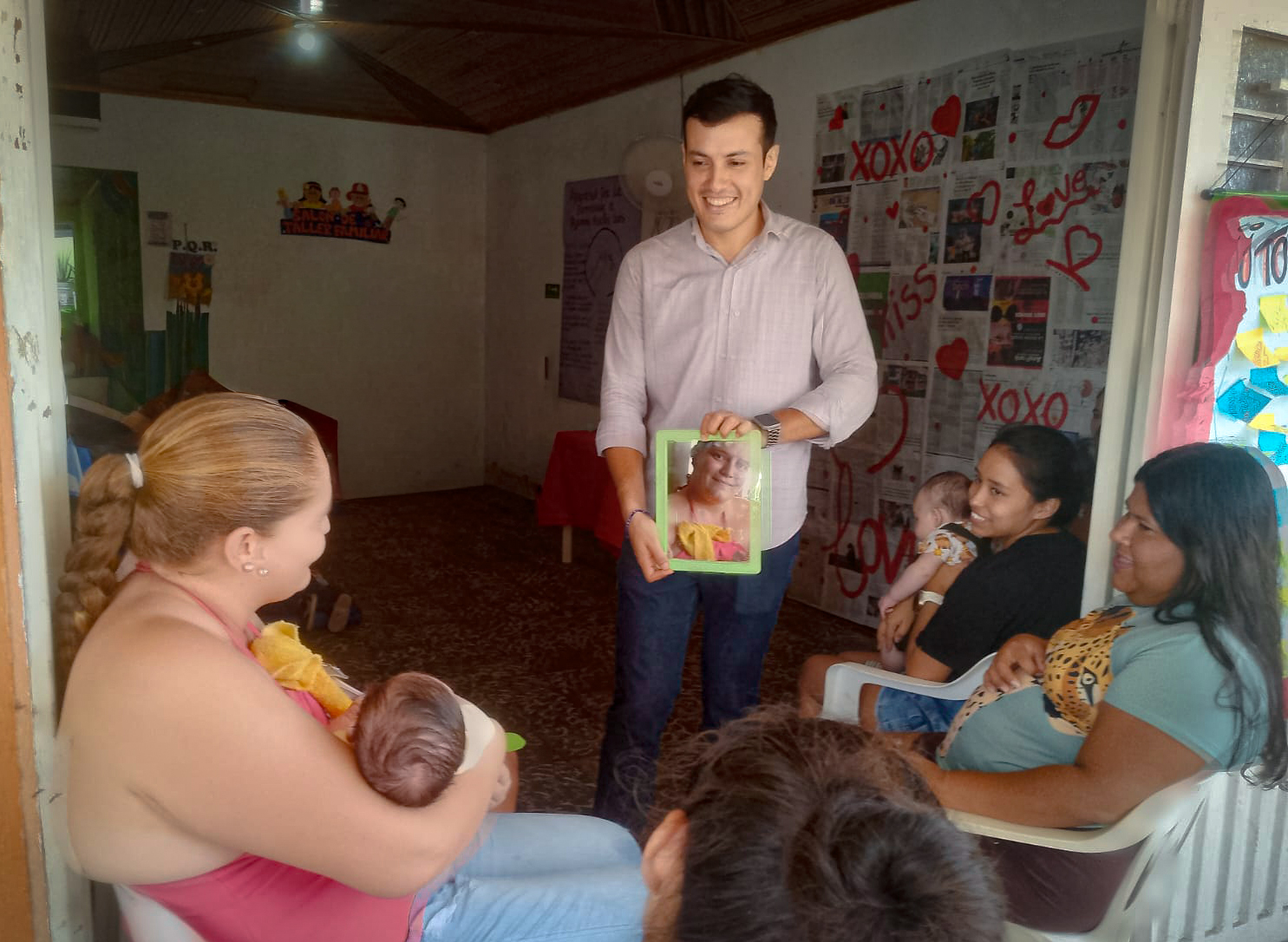
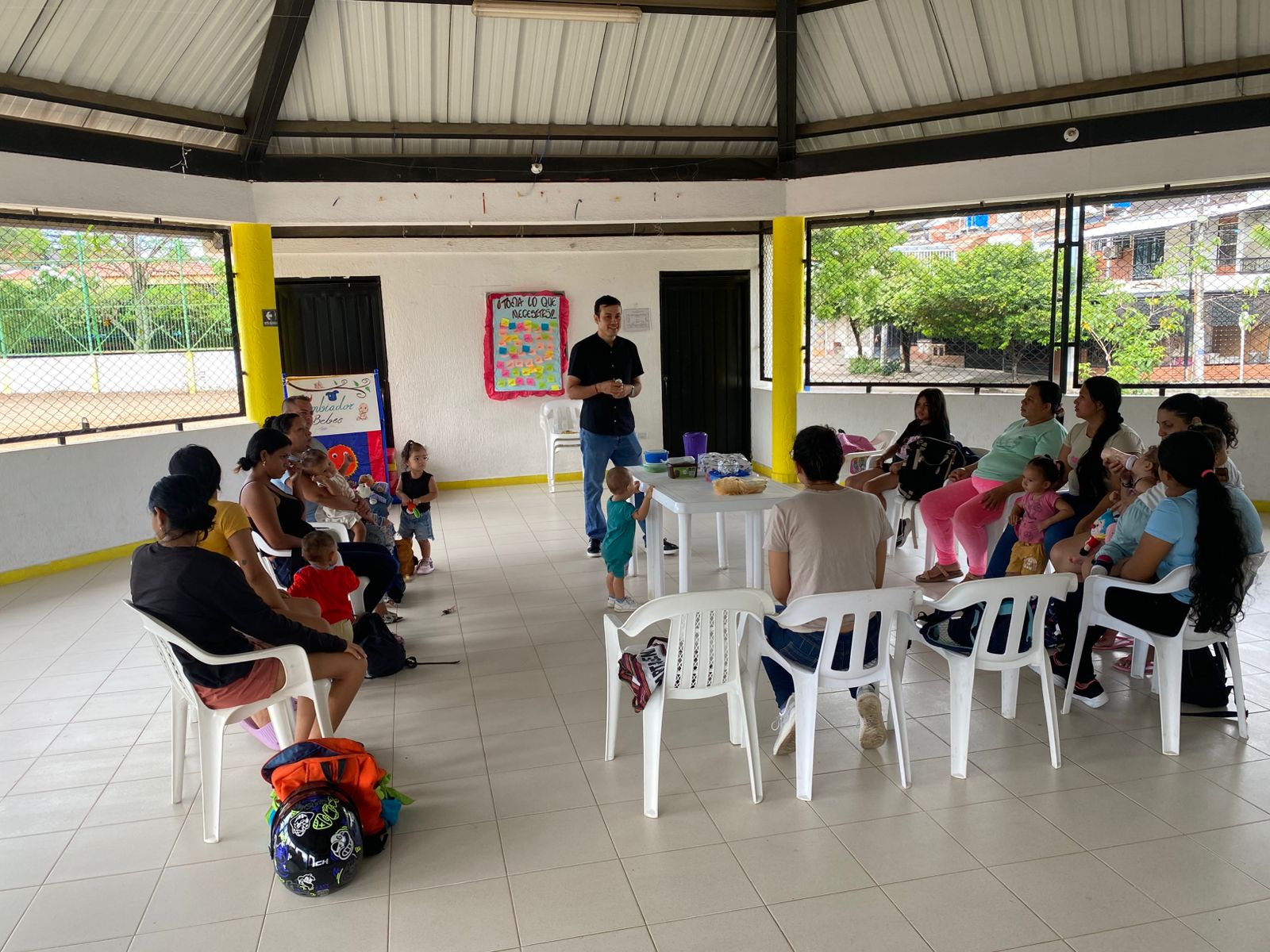
Third, the pilot and evaluation phase (June to December 2025): between June and December 2025, Apapáchar moved from theory to practice with its first pilot implementation in several Colombian cities. During this period, hundreds of families took part in digital and in-person sessions, while a research team closely evaluated results through a rigorous study. This stage made it possible to hear directly from mothers, fathers, caregivers, and the ICBF staff who accompanied the process, gathering key lessons on what works and what can be improved.
Fourth, institutionalization (December 2025): Apapáchar was included in ICBF guidelines, specifically in the Family and Community Modality Manual and the Operational Guide for Child Development Centers.
Finally, the scaling phase (2026): thanks to the strong results of the pilot implementation, Apapáchar is taking a new step to reach more families in Colombia. In partnership with ICBF, Fundación Apapacho is supporting 200 ICBF direct-operation professionals across 17 departments to implement the program in their territories. Through digital training, close support, and follow-up, we aim to give more and more professionals the tools to help caregivers strengthen their bond with their children.
Current status of the project and future actions, if applicable.
Apapáchar is currently in its scaling phase, with the goal of making practical tools to strengthen family bonds accessible to more families in Colombia and Latin America.
To achieve this, we have developed flexible resources that we can share so you can bring Apapáchar to your community:
- Virtual training for those who want to implement the program
- Implementation manual
- Step-by-step implementation guide
- Resources for implementing the digital component
- Guides for implementing the in-person component
If you are interested in bringing the Apapáchar Program to your community, contact us at c.reyguerra@fundacionapapacho.org or through our social media @fundapapacho. We would be happy to tell you more about the program and how to implement it in your territory!